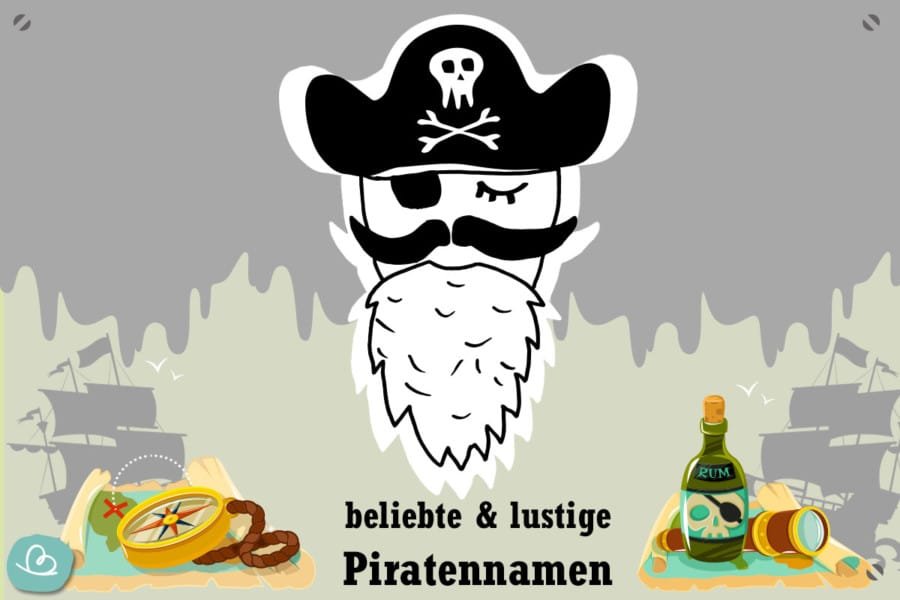
For centuries, the mere whisper of a pirate's name could send shivers down spines and spark wild tales across taverns and trade routes. More than just a label, 'Die Kunst der Piratennamen: Herkunft & Stil' – the art of pirate names, their origins, and their style – reveals a sophisticated, often brutal, identity forged on the high seas. These aren't just names; they are declarations of intent, symbols of rebellion, and badges of a fearsome reputation, each one a mini-saga waiting to be told.
Before delving into the captivating lore of these notorious monikers, let's get a quick overview of what made pirate names so powerful.
At a Glance: What Made a Pirate Name Legendary
- Identity & Reputation: Names were critical for establishing a pirate's persona and striking fear or respect.
- Origin Stories: Often derived from physical traits, notorious deeds, personality quirks, or even regional origins.
- Psychological Warfare: A well-chosen name could intimidate enemies before a single cannon fired.
- Cultural Fabric: Deeply rooted in the maritime cultures of the 17th and 18th centuries, particularly the Golden Age of Piracy.
- Enduring Legacy: Today, pirate names continue to captivate in popular culture, symbolizing freedom and adventure.
The Weight of a Name on the High Seas: More Than Just a Moniker
Imagine the vast, unforgiving expanse of the open ocean during the 17th and 18th centuries, a time when law was often dictated by the loudest cannon and the sharpest cutlass. In this world, a pirate's name wasn't a casual affair; it was a carefully constructed brand, a statement of intent that preceded their arrival. It was a psychological weapon, designed to instill fear in merchant crews and respect (or at least wary deference) among their own.
A well-chosen name could elevate a pirate to legendary status, turning them from a common criminal into a mythical figure. Think of it as ancient marketing: a name like "Blackbeard" painted a vivid, terrifying picture long before anyone saw Edward Teach's smoldering fuses. This carefully cultivated identity was crucial not just for survival, but for thriving in a society where reputation was everything. It solidified their standing, served as a second identity, and embodied the power and dominance they sought to project.
Decoding the Pirate Lexicon: Origins and Meaning
So, where did these infamous names come from? The origins of pirate names are as diverse and intriguing as the individuals who bore them. They were rarely arbitrary; instead, they were typically born from a combination of observation, reputation, and sheer theatricality.
Often, a pirate's name reflected their distinctive physical characteristics. "Red Beard," for instance, would likely have referred to a striking hair color, while "Long Ben" might have denoted unusual height. These were direct, memorable, and instantly recognizable traits that made a lasting impression.
Beyond appearance, notorious deeds or fighting styles frequently inspired names. A pirate known for their aggressive, brutal approach in battle might earn a name like "Bloody Ben" or "Mad Jack." Similarly, "Roter Jack" (Red Jack) could signify a particular ferocity in combat, turning bloodlust into a badge of honor. These names served as quick summaries of a pirate's reputation, broadcasting their most feared attributes across the waves.
Personality quirks and individuality also played a significant role. "Calico Jack" Rackham, for example, was known for his flamboyant taste in clothes made of calico fabric, distinguishing him from his peers. These names showcased unique aspects of a pirate's character, highlighting what made them stand out from the motley crew.
Sometimes, names carried regional influences, reflecting a pirate's place of origin or specific dialect. They could be drawn from various languages, incorporating elements that hinted at their background or particular exploits. Other names were deeply rooted in stories and legends, perhaps borrowed from folklore or local myths to add an extra layer of mystique and power to their persona. The creative freedom in name selection often resulted in monikers that were poetic, humorously ironic, or deeply sarcastic, further enhancing the pirate's personal legend.
Legends Etched in Ink: Iconic Historical Pirate Names
The Golden Age of Piracy produced a cast of characters whose names continue to resonate through history. Each one tells a story, a testament to the power of a well-chosen moniker.
- Blackbeard (Edward Teach): Perhaps the most infamous of all, Blackbeard's name alone conjured images of terror. It derived from his thick, black beard, which he reputedly braided with lit fuses during battle to create a terrifying, smoke-shrouded visage. His name perfectly encapsulated his fearsome appearance and violent reputation, contributing significantly to the many myths that surrounded him.
- William Kidd (Captain Kidd): Originally a privateer, Kidd's name became synonymous with buried treasure and accusations of betrayal. His adventures blurred the lines between state-sanctioned raids and outright piracy, transforming his name into a legend associated with vast, elusive riches.
- Bartholomew Roberts (Black Bart): Known for his audacious raids and strict code of conduct, "Black Bart" was one of the most successful pirates of his era. His name likely referred to his dark complexion or perhaps a dark disposition, alongside a formidable reputation for leadership and tactical brilliance.
- Sir Henry Morgan: A complex figure who transitioned from privateer to knighted governor, Morgan's name evokes immense influence and power in the Caribbean. His exploits against Spanish territories made him a hero in British eyes, and his name lives on today, even adorning a popular rum brand.
- Anne Bonny: One of the few female pirates whose name is widely recognized, Anne Bonny was known for her fierce determination and bravery in battle. Her name, often alongside Mary Read, defied gender norms of the time, cementing her place as a symbol of female defiance on the high seas.
Other notable historical figures like Calico Jack Rackham (known for his distinctive attire and association with Bonny and Read), Sir Francis Drake (a privateer revered by the English and feared by the Spanish), and Black Sam Bellamy ("the Prince of Pirates," known for his democratic approach to command) further illustrate the diverse inspirations behind pirate names. Even lesser-known figures like Fanny Campbell, Charlotte de Berry, and Bloody Mary contributed to the rich tapestry of pirate lore, their names hinting at incredible, often tragic, tales.
From Page to Screen: The Enduring Legacy of Fictional Pirate Names
While historical pirates provided the blueprint, fictional characters have shaped our modern perception of buccaneers, ensuring the romance and danger of piracy live on. These invented names have become equally, if not more, iconic.
- Jack Sparrow (from "Pirates of the Caribbean"): Captain Jack Sparrow is arguably the most recognizable pirate of the modern era. His name itself, "Sparrow," suggests a nimble, elusive, and free-spirited nature, perfectly embodying his chaotic charm, unpredictable antics, and deep love for freedom and adventure. He's not just a pirate; he's a symbol of defiance against convention.
- Long John Silver (from Robert Louis Stevenson's "Treasure Island"): This character is the quintessential nuanced pirate – cunning, charismatic, and morally ambiguous. His name, particularly "Long," might simply refer to his height, but "Silver" adds a touch of refinement or perhaps a hidden metallic glint to his motivations. He personifies the allure of adventure mixed with the stark realities of greed and survival.
- Captain Hook (from J.M. Barrie's "Peter Pan"): The iconic antagonist, "Hook" is a literal description of his defining physical characteristic – the prosthetic hook replacing his lost hand. This simple, evocative name instantly conveys both menace and the history of his rivalry with Peter Pan.
- Hector Barbossa (from "Pirates of the Caribbean"): Barbossa's name sounds formidable and slightly exotic, fitting for a rival captain with a dramatic flair and a taste for the supernatural.
- Capitaine Blood (from Rafael Sabatini's novels): "Blood" in his name immediately signifies danger, violence, and the life-or-death stakes of his adventures.
- Captain Harlock (from Leiji Matsumoto's manga and anime): Harlock, often depicted as a noble space pirate, carries a name that sounds strong and somewhat solitary, reflecting his role as a rebel fighting for ideals.
These fictional names don't just exist; they help to shape narratives, creating archetypes that resonate with audiences worldwide. They are carefully crafted to convey character, intention, and a sense of fantastical adventure.
Beyond the High Seas: Pirate Names in Pop Culture Today
The allure of pirate names isn't confined to historical texts or classic novels; it's a vibrant, living part of global pop culture. From blockbuster films and popular video games to fashion and festivals, pirate aesthetics, heavily influenced by their distinctive names, permeate our modern world.
In movies and books, pirate names continue to inspire awe and excitement, cementing the romanticized image of freedom and adventure. Video games and role-playing games (RPGs) frequently incorporate elaborate pirate naming conventions, allowing players to embody swashbuckling alter egos. Even gaming communities often adopt pirate-themed tags and aliases, fostering a sense of camaraderie and rebellion.
Pirate culture, propelled by these evocative names, has even influenced fashion and become a staple at carnivals and festivals. Think of the eye-patches, bandanas, and skull-and-crossbones motifs – each element whispers of the legendary figures behind the names. The image of the pirate has evolved from purely feared criminals to complex, often sympathetic, characters who symbolize rebellion, independence, and the pursuit of freedom.
The cultural impact extends to language itself. Phrases like "Ahoy!" and "Avast!" are instantly recognizable pirate greetings, and the term "modern pirate" is metaphorically used to describe rebellious, rule-breaking characters in contemporary society. Events like "Talk Like a Pirate Day" celebrate this unique subculture, inviting enthusiasts to dive into the fun and theatricality that pirate names represent.
The lasting popularity of pirate names underscores their symbolic power. They represent an escape from mundane life, a journey into the unknown, and the thrilling defiance of authority. This legacy continues to inspire countless creatives and enthusiasts alike.
Crafting Your Own Swashbuckling Persona: A Guide to Naming
Feeling inspired to conjure your own pirate identity? Creating a compelling pirate name is a creative process, and thankfully, you don't need to raid a Spanish galleon to find inspiration. Here's a practical guide to help you forge a moniker that strikes fear, respect, or even amusement.
- Harness Your Personal Traits:
- Physical Peculiarities: Did you lose a tooth in a brawl? Are you remarkably tall or short? "One-Eyed Jack," "Stumpy Pete," or "Long John" are classic examples. For a modern twist, consider "Scarlet Sash" for a flamboyant dresser or "Whisperwind" for someone stealthy.
- Defining Personality: Are you notoriously grumpy, fiercely loyal, or prone to fits of rage? Names like "Grumbles," "The Steadfast," or "Mad Molly" can perfectly capture your essence.
- Signature Deeds: What's your character known for? If you're a master navigator, "Starfinder Silas" could work. If you're known for brutal efficiency, "The Butcher of Bristol" might be apt.
- Incorporate Geographical Features:
- Where are you from, or where have you made your mark? "Blackbeard" was active in the Carolina coasts; "Bartholomew Roberts" was Welsh. Consider "Barnacle Bill from Barbados" or "Captain Cinder of Corsica." This adds a touch of authenticity and history.
- Draw from Historical References and Legends:
- Borrow elements from real pirate history or local folklore. Maybe your character has a legendary animal companion, like "Crowe" for someone with a pet crow. Or perhaps they're known for seeking a mythical artifact, like "Gemstone George."
- Think about symbolic animals: "Ravenous Rex," "Serpent Sally," "Tiger Tim." These evoke primal qualities often associated with pirates.
- Combine Elements for Uniqueness:
- Mix and match: A notorious trait + an animal + a geographical feature. "Bloody Claw from Madagascar" or "Silvermane of the Siren's Cove."
- Personal quality + a powerful image: "Storm Captain" for a leader known for weathering any gale, or "Shadowblade" for an elusive fighter.
- Consider the Sound and Impact:
- Alliteration: "Dreadful Drake," "Savage Sam."
- Hard Consonants: Names with 'K,' 'B,' 'R' often sound more formidable. "Kraken," "Black Bart," "Red."
- Memorable Nicknames: Sometimes the simplest names stick the most. "Patch," "Scrag," "Grog."
A name isn't just for show; historically, a truly memorable name could even secure survival by inspiring enough respect or fear to avoid direct confrontation. It also lent gravitas, making a captain's orders carry more weight. If you're struggling to piece together the perfect moniker, remember there's always a helping hand: a pirate name generator can offer a treasure trove of ideas to spark your imagination.
Frequently Asked Questions About Pirate Names
Q: Were all pirate names scary?
A: Not necessarily! While many were chosen to intimidate, some reflected appearance (Calico Jack), origin, or even humor. The goal was distinctiveness and memorability, which could come from various traits.
Q: Did pirates choose their own names, or were they given them?
A: It was often a mix. Sometimes pirates adopted names themselves, but just as frequently, they were given nicknames by their crew or even their victims, based on their deeds, appearance, or personality. If a name stuck, it became their identity.
Q: How did female pirates get their names?
A: Female pirates like Anne Bonny and Mary Read often used their given names, but their actions and reputation created the "pirate" part of their identity. Sometimes, they might have adopted masculine names to blend in, or earned fearsome titles like any male pirate.
Q: Why are pirate names still so popular today?
A: Pirate names evoke a powerful sense of freedom, adventure, rebellion against authority, and living by one's own rules. This resonates deeply in modern culture, making them popular in entertainment and as symbols of independence.
Q: Can I use a pirate name for a character in a story or game?
A: Absolutely! Pirate names offer a rich source of inspiration for creative works. When crafting one, think about what qualities you want your character to embody, their backstory, and how the name will influence how others perceive them.
Beyond the Horizon: The Unyielding Appeal of a Pirate's Name
From the menacing "Blackbeard" to the charismatic "Jack Sparrow," pirate names transcend mere labels. They are echoes of a bygone era, repositories of adventure, and potent symbols of identity. They remind us that even in the most lawless corners of the world, a name could be a carefully constructed work of art – a declaration of who you were, what you stood for, and the terror or awe you commanded.
So, the next time you hear a pirate's name, pause and consider its origins. Delve into the style, the history, and the sheer audacity encapsulated within those few chosen words. For in 'Die Kunst der Piratennamen: Herkunft & Stil', we find not just history, but a timeless testament to the power of a name to forge a legend.